
ProjectRethink.org Team Esports: How Competitive Gaming Is Evolving Beyond Winning
ProjectRethink.org Team Esports is generally associated with a vision of esports that goes beyond rankings, trophies, and prize pools. more…
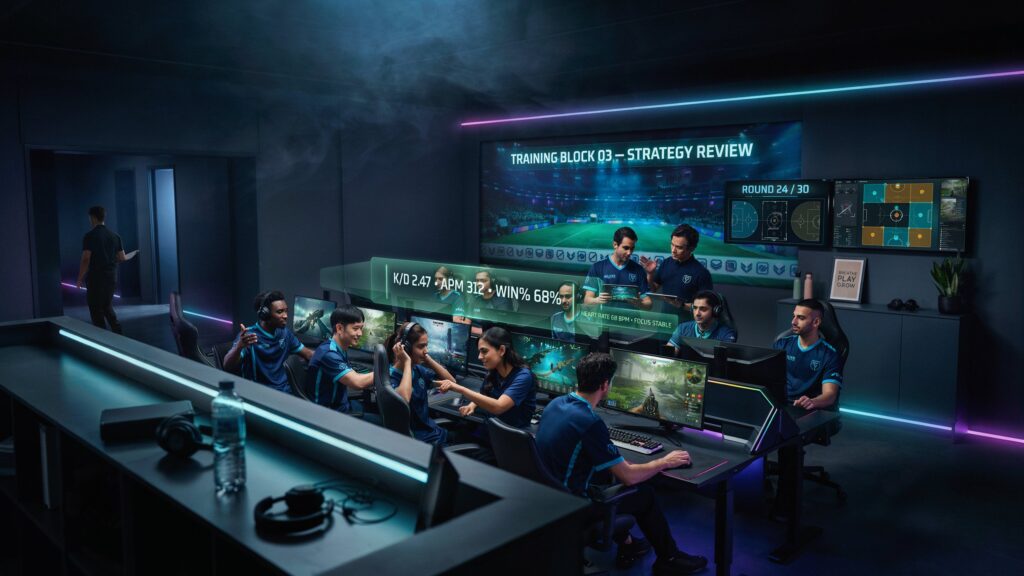
The esports industry has grown from a niche hobby into a global phenomenon. Millions of fans watch tournaments, follow professional players, and engage with gaming communities every day. As the industry expands, organizations are beginning to rethink what success truly means in competitive gaming. One concept that has attracted attention is ProjectRethink.org Team Esports, a model that emphasizes player well-being, community development, and long-term growth alongside competitive performance.
While traditional esports organizations often focus primarily on winning championships and attracting sponsors, ProjectRethink.org Team Esports is frequently discussed as an example of a more balanced approach. The concept highlights the importance of creating healthy environments where players can thrive both inside and outside the game.
In this article, we will explore what ProjectRethink.org Team Esports represents, its core principles, potential benefits, challenges, and why this approach is becoming increasingly relevant in modern gaming.
Understanding ProjectRethink.org Team Esports
ProjectRethink.org Team Esports is generally associated with a vision of esports that goes beyond rankings, trophies, and prize pools. The idea centers on creating sustainable gaming environments where players can develop valuable skills, maintain good mental health, and build meaningful connections within the gaming community.
Rather than measuring success solely through victories, this approach considers personal growth, teamwork, leadership, and community engagement as equally important factors.
The concept reflects a growing awareness within esports that player burnout, stress, and unhealthy competition can negatively impact both individual careers and team performance. By placing greater emphasis on support systems and balanced development, ProjectRethink.org Team Esports promotes a healthier future for competitive gaming.
The Evolution of Esports Culture
To understand why concepts like ProjectRethink.org Team Esports are gaining attention, it helps to examine how esports culture has evolved.
In the early years of competitive gaming, teams often operated with limited resources. Players spent countless hours practicing, sometimes sacrificing education, social lives, and physical health in pursuit of success.
As esports became more professional, organizations invested heavily in training facilities, coaching staffs, sponsorships, and player contracts. However, the intense pressure to perform remained a significant challenge.
Many professional players reported issues such as:
- Burnout from excessive practice
- Anxiety related to competition
- Difficulty maintaining work-life balance
- Physical health concerns
- Social isolation
- Career uncertainty after retirement
These challenges prompted discussions about creating healthier environments within the industry. ProjectRethink.org Team Esports reflects this broader movement toward player-centered development.
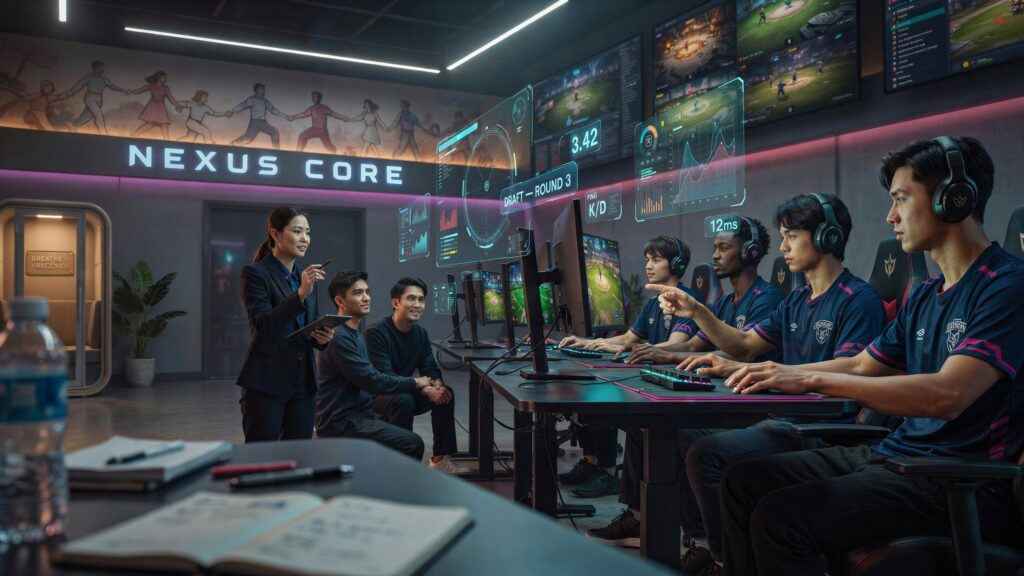
Core Principles of ProjectRethink.org Team Esports
Several key principles are commonly associated with the ProjectRethink.org Team Esports concept.
Player Well-Being Comes First
One of the most important ideas is prioritizing player health and wellness.
Competitive gaming can demand long practice sessions and constant performance improvement. While dedication is essential, maintaining physical and mental health is equally important.
A player-focused esports model may encourage:
- Regular breaks
- Healthy sleep habits
- Physical fitness routines
- Mental health support
- Balanced training schedules
By promoting wellness, players are better equipped to perform consistently over longer periods.
Personal Growth Beyond Gaming
ProjectRethink.org Team Esports emphasizes that players are more than just competitors.
Gaming careers can be unpredictable, and professional players often retire at relatively young ages. Developing skills outside of gaming helps prepare individuals for future opportunities.
Areas of development may include:
- Communication skills
- Leadership training
- Public speaking
- Content creation
- Business knowledge
- Educational advancement
These skills can benefit players throughout their careers and beyond.
Building Strong Communities
Gaming communities play a crucial role in the success of esports organizations.
Rather than focusing exclusively on competition, ProjectRethink.org Team Esports encourages meaningful engagement with fans, supporters, and aspiring players.
Community-building efforts may involve:
- Online events
- Educational workshops
- Charity initiatives
- Mentorship programs
- Community tournaments
These activities help strengthen relationships between players and fans while fostering a positive gaming culture.
Inclusion and Accessibility
Modern gaming communities are incredibly diverse. ProjectRethink.org Team Esports supports creating environments where players from various backgrounds feel welcomed and respected.
Inclusivity contributes to stronger communities by encouraging participation from people with different experiences, perspectives, and talents.
An inclusive esports environment promotes:
- Equal opportunities
- Respectful communication
- Diverse representation
- Safe gaming spaces
- Fair competition
These values help create healthier ecosystems for everyone involved.
Why Mental Health Matters in Esports
Mental health has become one of the most important discussions within the gaming industry.
Professional esports players often face unique pressures, including:
- Constant public scrutiny
- High expectations from fans
- Intense training schedules
- Performance anxiety
- Social media criticism
Over time, these factors can contribute to stress, burnout, and emotional exhaustion.
The ProjectRethink.org Team Esports philosophy recognizes that mental resilience is just as important as mechanical skill. Providing access to mental health resources can help players manage challenges more effectively and sustain long-term success.
Healthy players are often more focused, motivated, and capable of handling competitive pressure.
The Importance of Team Culture
Every successful esports organization depends on strong team dynamics.
A positive culture encourages collaboration, trust, and mutual respect among teammates. When players feel supported, they are more likely to communicate effectively and work together toward shared goals.
ProjectRethink.org Team Esports highlights the value of creating environments where players can:
- Share ideas openly
- Learn from mistakes
- Resolve conflicts constructively
- Support each other’s growth
- Celebrate achievements together
Strong team culture often translates into better performance both inside and outside competition.
Developing Future Leaders
Leadership is an essential component of successful esports teams.
While some players naturally emerge as leaders, leadership skills can also be developed through experience and mentorship.
ProjectRethink.org Team Esports encourages leadership development by helping players:
- Take responsibility
- Guide teammates
- Communicate effectively
- Make strategic decisions
- Build confidence
These skills remain valuable long after a player’s competitive career ends.
The Role of Education in Modern Esports
Education is becoming increasingly important within the esports ecosystem.
Many players enter competitive gaming at a young age, and balancing esports with education can be challenging. A development-focused approach encourages players to continue learning while pursuing their gaming goals.
Educational opportunities may include:
- Academic programs
- Online courses
- Professional certifications
- Career development workshops
- Industry networking events
By supporting education, organizations can help players prepare for future opportunities beyond competition.
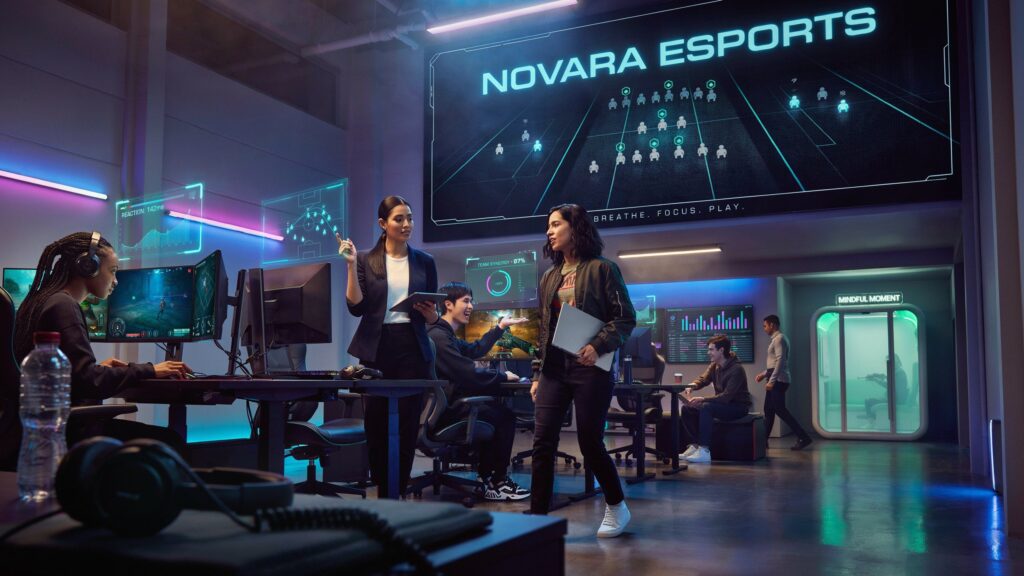
Community Impact and Social Responsibility
Esports organizations have significant influence within gaming communities.
ProjectRethink.org Team Esports promotes using that influence responsibly by encouraging positive contributions to society.
Examples may include:
- Fundraising campaigns
- Charity streams
- Awareness initiatives
- Youth development programs
- Community outreach projects
These efforts demonstrate that esports can create value beyond entertainment and competition.
Challenges Facing the ProjectRethink Approach
Although the concept offers many benefits, implementing a player-centered esports model is not without challenges.
Competitive Pressure
Organizations still need to achieve results in order to attract sponsors, investors, and audiences.
Balancing player wellness with competitive expectations requires careful planning and strong leadership.
Financial Constraints
Providing wellness programs, educational resources, and support services may require additional investment.
Smaller organizations may struggle to allocate sufficient resources toward these initiatives.
Industry Expectations
Some stakeholders continue to prioritize short-term success over long-term development.
Changing industry attitudes takes time and requires evidence that healthier approaches can also deliver strong competitive results.
Measuring Success
Traditional esports metrics are relatively straightforward, such as wins, rankings, and revenue.
Measuring personal growth, mental wellness, and community impact can be more complex.
Organizations adopting this approach must develop meaningful ways to evaluate progress across multiple areas.
Why This Model Resonates With Modern Gamers
Today’s gaming audience increasingly values authenticity, responsibility, and community engagement.
Fans often want to support organizations that reflect positive values rather than focusing solely on winning.
ProjectRethink.org Team Esports aligns with these changing expectations by promoting:
- Healthy competition
- Player development
- Community involvement
- Inclusivity
- Long-term sustainability
As esports continues to mature, these priorities are becoming increasingly relevant.
The Future of Esports Development
The esports industry is still relatively young compared to traditional sports.
As the sector evolves, organizations are likely to place greater emphasis on holistic player development. Concepts similar to ProjectRethink.org Team Esports may become more common as teams recognize the benefits of supporting players beyond gameplay performance.
Future trends could include:
- Expanded mental health programs
- Greater educational support
- Enhanced career development services
- More inclusive communities
- Stronger player advocacy initiatives
These developments have the potential to create healthier and more sustainable esports ecosystems.
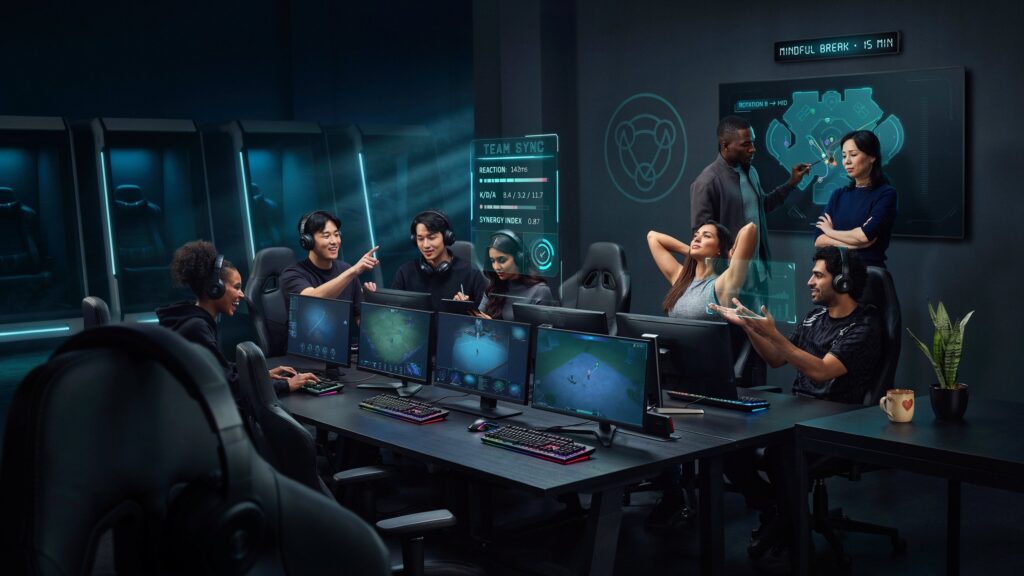
Insights
ProjectRethink.org Team Esports represents a broader shift in how competitive gaming is viewed and managed. Rather than focusing exclusively on victories and rankings, this approach emphasizes player well-being, personal development, community engagement, and long-term sustainability.
As esports continues to grow, organizations that invest in their players as individuals may be better positioned for lasting success. Healthy players, supportive communities, and strong values can create foundations that extend far beyond any single tournament result.
Whether viewed as a specific initiative or a broader philosophy, ProjectRethink.org Team Esports highlights an important conversation within modern gaming: success is not just about winning games—it is about helping people grow, connect, and thrive through the power of esports.