
Tubehalote Side Effects: Risks You Should Know Before Use
Medical science has seen many breakthroughs, but not all remain in use forever. One such name that still appears in discussions is tubehalote….
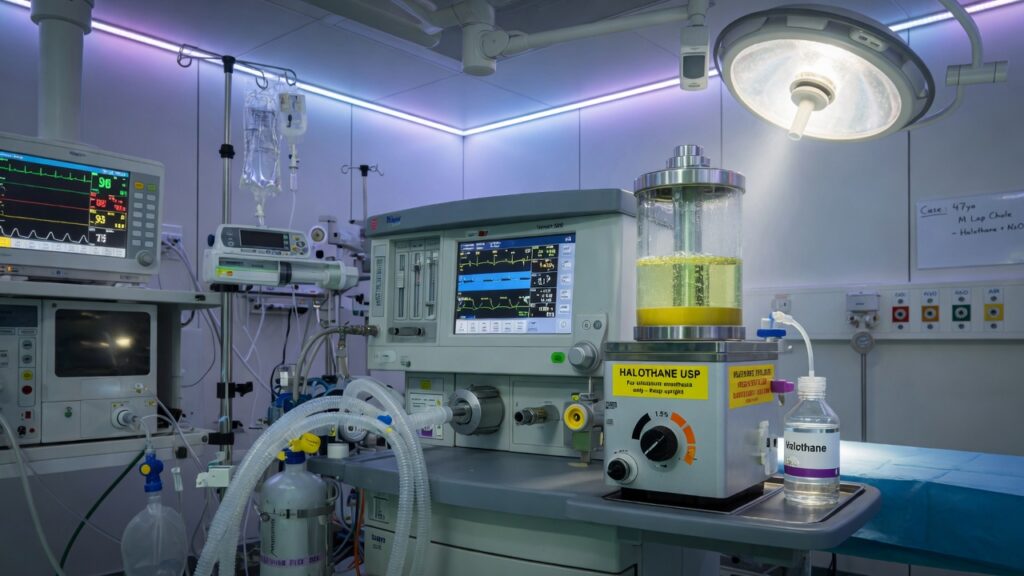
Tubehalote once played a key role in modern anesthesia, helping doctors perform surgeries more safely than ever before. At a time when medical options were limited, it offered a reliable way to control pain and unconsciousness.
But as medicine advanced, concerns about its safety started to surface. Reports of liver damage, heart complications, and rare but serious reactions raised important questions about its continued use.
Today, understanding the side effects of tubehalote is not just about medical history—it’s about recognizing why safer alternatives have taken its place and what risks still matter in certain situations.
Risks You Should Know Before Use
Medical science has seen many breakthroughs, but not all remain in use forever. One such name that still appears in discussions is tubehalote.
It may not be widely known today, but it has a strong connection to one of the most important anesthetics in medical history—halothane.
Understanding tubehalote helps us see how anesthesia has evolved over time.
What is Tubehalote?
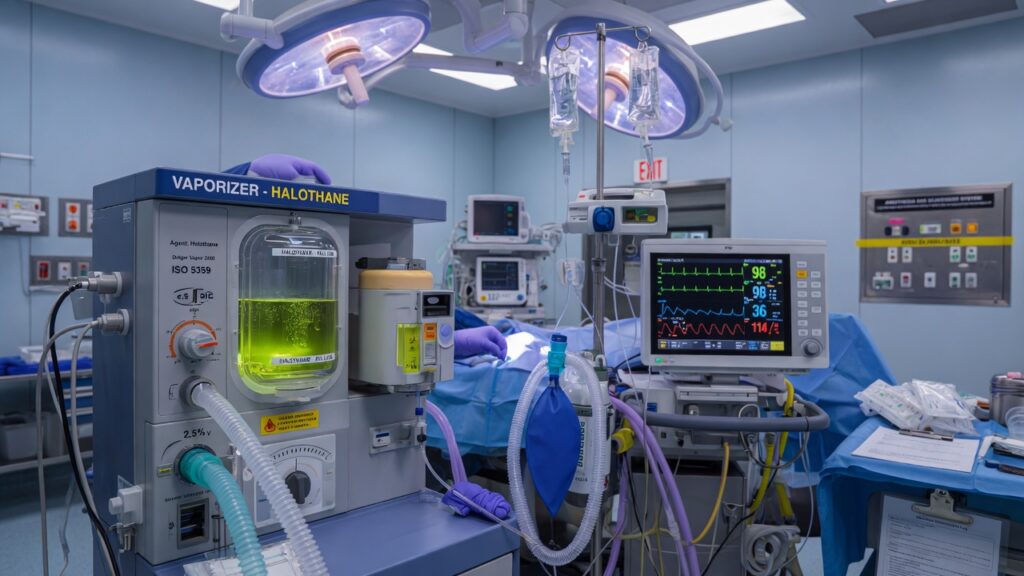
Tubehalote is a brand or formulation linked to halothane, an inhalation anesthetic used to induce and maintain general anesthesia.
It is typically supplied as a liquid and used through a calibrated vaporizer in controlled medical environments.
In simple terms, tubehalote helps doctors put patients into a temporary, controlled unconscious state during surgery.
Composition of Tubehalote
The formulation of tubehalote is quite specific.
- Primary component: Halothane
- Stabilizer: Small amount of thymol (around 0.01%)
- Form: Liquid
The addition of thymol helps stabilize the solution and maintain its effectiveness during storage and use.
How Tubehalote Works in Anesthesia
Tubehalote works through inhalation.
When a patient breathes in the vapor, it affects the central nervous system. This leads to:
- Loss of consciousness
- Reduced pain sensation
- Muscle relaxation
Doctors carefully control the dose using specialized equipment to ensure safety and effectiveness.
Historical Background of Tubehalote and Halothane
Halothane was introduced in the mid-20th century and quickly became a major advancement in anesthesia.
Before its arrival, many anesthetics were flammable and risky. Halothane changed that by being non-flammable and easier to control.
Tubehalote, as a formulation of halothane, became part of this medical revolution and was widely used in surgeries around the world.
Medical Uses of Tubehalote
Tubehalote has been used mainly in hospital settings for:
- General anesthesia during surgery
- Maintaining unconsciousness in procedures
- Controlled clinical environments
It allowed doctors to perform complex surgeries more safely compared to earlier methods.
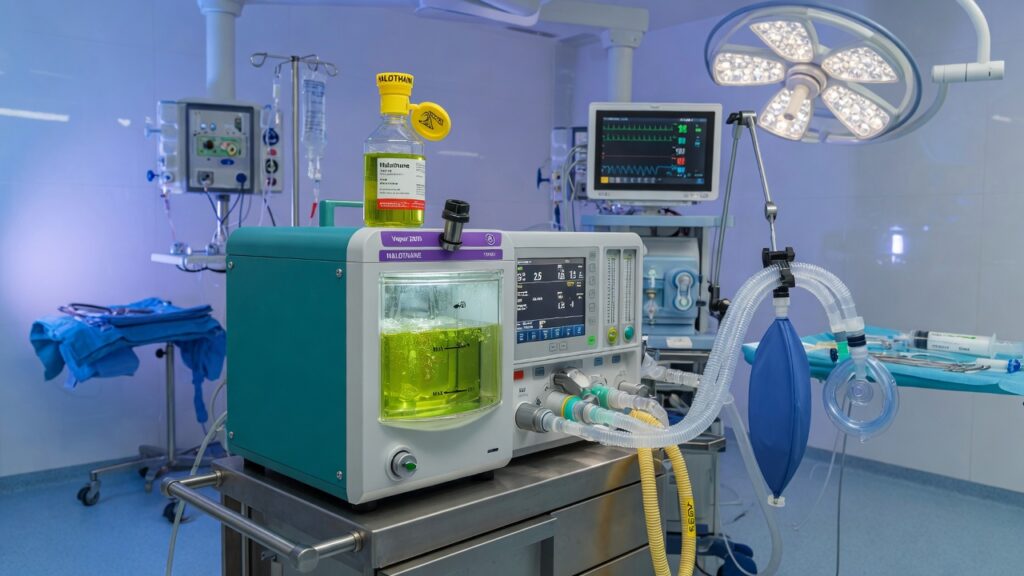
Advantages of Tubehalote
Despite being older, tubehalote had several benefits:
- Smooth and predictable induction
- Non-flammable nature
- Effective anesthesia control
- Lower cost in some regions
These advantages made it a popular choice for many years.
Risks and Side Effects of Tubehalote
Like many medical substances, tubehalote also carries risks.
One of the most serious concerns is Halothane Hepatitis, a rare but severe liver condition linked to halothane use.
Other potential issues include:
- Heart rhythm disturbances (arrhythmias)
- Liver toxicity
- Sensitivity in certain patients
Because of these risks, its use requires strict medical supervision.
Why Tubehalote is Less Used Today
Over time, medical science introduced safer and more efficient anesthetics.
Tubehalote began to decline due to:
- Risk of liver complications
- Availability of better alternatives
- Faster recovery options with newer drugs
Today, it is rarely used in advanced healthcare systems.
Modern Alternatives to Tubehalote
Newer anesthetics have largely replaced tubehalote.
Common alternatives include:
- Sevoflurane
- Isoflurane
These options offer:
- Faster recovery
- Better safety profiles
- Reduced side effects
They are now widely preferred in modern hospitals.
Tubehalote in Developing Countries
In some regions, tubehalote or halothane-based products may still be used.
This is mainly due to:
- Lower cost
- Limited access to newer drugs
- Existing medical infrastructure
However, even in these areas, the shift toward modern anesthetics is ongoing.
Safety Guidelines and Precautions
Using tubehalote requires proper medical care.
Key precautions include:
- Administration by trained professionals only
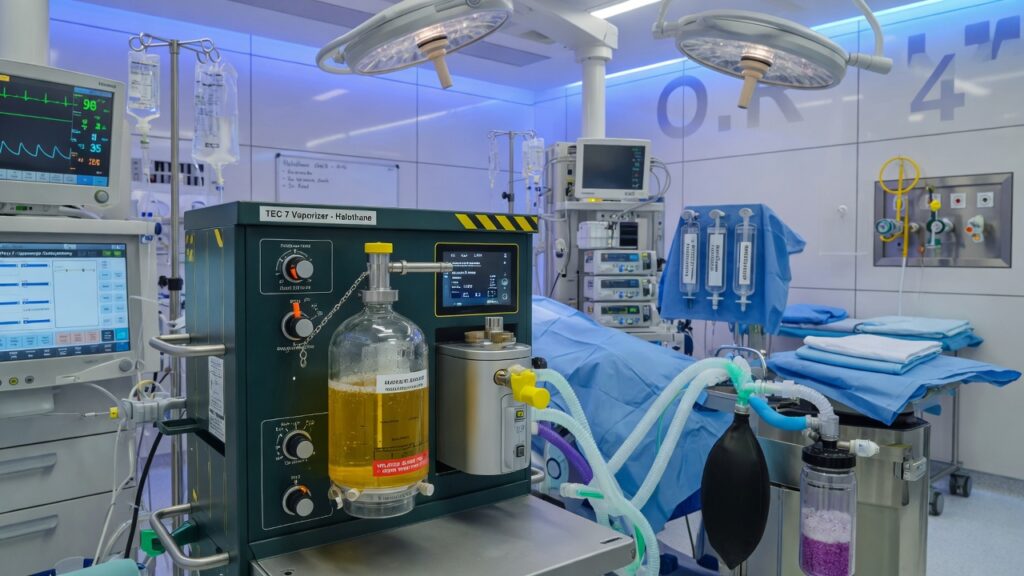
- Use of calibrated vaporizers
- Continuous patient monitoring
- Careful dose control
Self-use or misuse can be extremely dangerous.
Future of Tubehalote in Medicine
Tubehalote is now more of a historical and limited-use anesthetic.
While it played a major role in the past, its future is likely to be:
- Limited to specific cases
- Gradually phased out
- Replaced by safer technologies
Still, its contribution to modern anesthesia cannot be ignored.
Insights
Tubehalote represents an important chapter in medical history.
It helped make surgeries safer and more effective during a time when options were limited.
Although it is no longer widely used today, understanding tubehalote gives valuable insight into how far medical science has progressed.
FAQs About Tubehalote
What is tubehalote used for?
It is used to induce and maintain general anesthesia during surgery.
Is tubehalote safe?
It can be safe under professional supervision, but it carries certain risks.
Why is it not commonly used today?
Because newer anesthetics are safer and provide faster recovery.
What replaced tubehalote?
Modern agents like Sevoflurane and Isoflurane have replaced it.