
Monica Elfriede Witt: The Former U.S. Intelligence Officer Accused of Spying for Iran
Learn about Monica Elfriede Witt, the former U.S. Air Force intelligence officer accused of spying for Iran. Explore the FBI case, allegations, timeline, and latest updates.
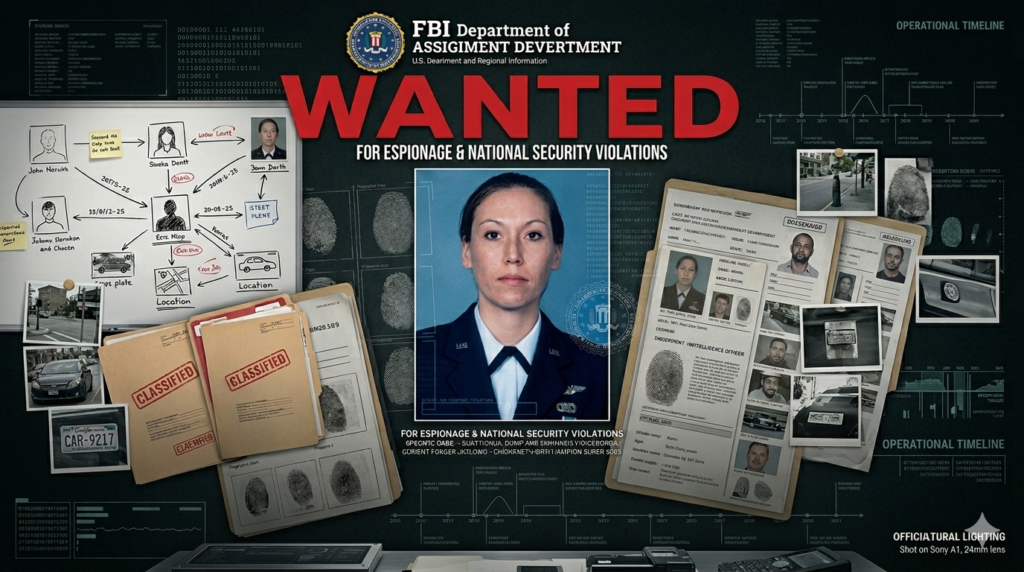
When stories about espionage make headlines, they often sound like scenes from a Hollywood thriller. But the case of Monica Elfriede Witt is very real — and it remains one of the most controversial national security cases involving the United States and Iran in recent years.
A former U.S. Air Force counterintelligence specialist, Witt went from working inside American intelligence operations to becoming the subject of an FBI manhunt. U.S. authorities accuse her of defecting to Iran and helping Iranian intelligence services target American personnel and classified operations.
The case has drawn international attention not only because of the allegations themselves, but because of the level of access Witt once had inside the U.S. intelligence community.
Who Is Monica Elfriede Witt?
Monica Elfriede Witt was born in Texas in 1979 and joined the U.S. Air Force in the late 1990s. During her military career, she worked as a counterintelligence and cryptologic language specialist, focusing heavily on Farsi-speaking regions and intelligence gathering.
Because she spoke fluent Farsi and had deep knowledge of Middle Eastern operations, Witt reportedly worked on highly sensitive assignments connected to U.S. national security.
Former intelligence officials have described her background as unusually valuable because language experts with operational experience are relatively rare in counterintelligence work.
After leaving active military service in 2008, she continued working as a defense contractor, which allegedly allowed her to remain connected to intelligence circles for several more years.
How Monica Witt Became Connected to Iran
According to U.S. prosecutors, Witt’s relationship with Iran began to attract attention after she attended conferences and media events linked to Iranian organizations.
One of the turning points reportedly came in 2012, when she traveled to Iran to participate in events that criticized U.S. foreign policy. American investigators later claimed those events were connected to Iranian intelligence influence operations.
Authorities believe that during this period, Iranian officials identified Witt as someone who could provide valuable information because of her intelligence background and insider knowledge.
In 2013, U.S. officials say she officially defected to Iran.
That allegation immediately transformed her from a former intelligence officer into a major counterintelligence concern for the United States.
The Espionage Charges Against Monica Witt
In 2019, the U.S. Department of Justice publicly announced espionage-related charges against Witt.
Federal prosecutors accused her of:
- Sharing classified defense information
- Exposing intelligence personnel identities
- Assisting Iranian cyber operations
- Conspiring against U.S. national security interests
The FBI claims Witt helped Iranian intelligence agencies understand how American intelligence investigations worked and how certain operations were conducted.
Investigators also alleged that she provided information that helped Iranian hackers target former U.S. intelligence colleagues through cyberattacks and surveillance campaigns.
Because many details remain classified, the full extent of the alleged damage has never been publicly disclosed.
Why the Case Shocked U.S. Intelligence Officials
Espionage cases involving former intelligence officers are always taken seriously, but Monica Witt’s case stood out for several reasons.
First, she reportedly had access to sensitive information related to:
- Intelligence collection methods
- Counterintelligence operations
- Personnel identities
- Classified communications procedures
Second, prosecutors argued that her knowledge could help foreign intelligence services better understand American surveillance and intelligence tactics.
Former officials have said insider threats are among the most dangerous risks in intelligence work because trusted individuals already understand the system from the inside.
That’s one reason the case quickly became a major national security story in the United States.
Alleged Links to Iranian Cyber Operations
One of the most discussed parts of the case involves cyber espionage.
U.S. prosecutors alleged that Iranian hackers used information connected to Witt to launch digital targeting campaigns against American intelligence personnel.
According to court filings, the hackers allegedly attempted:
- Phishing attacks
- Online surveillance
- Identity tracking
- Social engineering operations
The case highlighted how modern espionage is no longer limited to physical documents or undercover meetings. Today, intelligence battles increasingly involve cyber warfare, digital tracking, and online infiltration.
Security analysts noted that the Witt investigation reflected the growing overlap between traditional espionage and cyber operations.
FBI Wanted Status and Reward
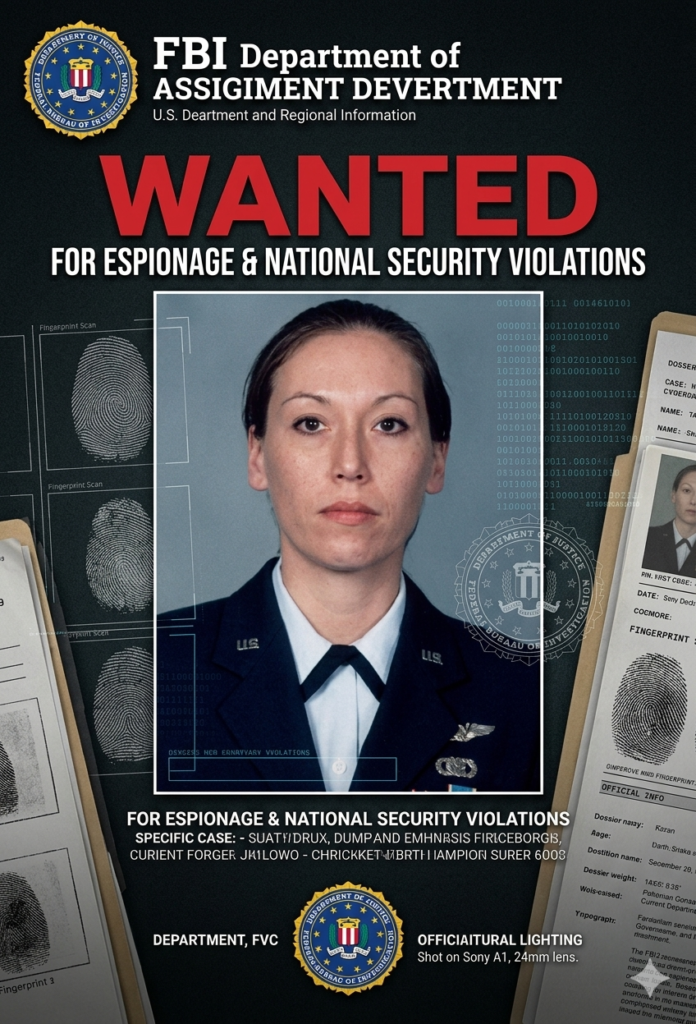
The FBI continues to list Monica Elfriede Witt as a wanted fugitive.
Authorities believe she may still be in Iran, although public details about her current location remain limited.
The FBI has also stated that Witt may use aliases, including:
- Fatemah Zahra
- Narges Witt
In 2026, reports indicated that the FBI announced a reward of up to $200,000 for information related to her arrest or prosecution.
That reward announcement brought renewed media attention to a case that many believed had gone quiet in recent years.
Public Reaction and Media Coverage
The Monica Witt story sparked intense debate online and across major news outlets.
Some viewed the case as a major intelligence failure, while others focused on questions about how former intelligence officers can become vulnerable to foreign influence.
Media coverage often compared the case to Cold War-era defections, though experts noted that modern espionage operates very differently due to digital technology and cyber warfare.
The story also fueled discussions about:
- Insider threats
- Intelligence security procedures
- Cyber espionage
- U.S.-Iran tensions
Because much of the evidence remains classified, public understanding of the case still relies heavily on FBI statements and court documents.
Verified Facts vs Internet Rumors
As with many high-profile espionage cases, online rumors have circulated widely.
Some internet claims exaggerate or speculate beyond publicly confirmed evidence. Officially, the confirmed information mainly comes from:
- FBI announcements
- U.S. Department of Justice filings
- Court documents
- Reputable news investigations
No public trial has taken place because Witt is believed to remain outside U.S. custody.
For that reason, some details surrounding the allegations are still based on government accusations rather than courtroom testimony.
Why the Monica Witt Case Still Matters
The case continues to be studied because it represents several modern intelligence challenges at once:
- Insider security risks
- Foreign influence operations
- Cyber espionage
- Digital surveillance tactics
- Intelligence recruitment methods
Security experts often point to the case as an example of how geopolitical conflicts increasingly involve technology, psychological influence, and cyber operations alongside traditional espionage.
Even years after the original charges were announced, Monica Witt’s story remains one of the most talked-about espionage investigations connected to Iran and the United States.
FAQs
Who is Monica Elfriede Witt?
Monica Elfriede Witt is a former U.S. Air Force counterintelligence officer accused by the United States of spying for Iran.
Why is Monica Witt wanted by the FBI?
The FBI accuses her of sharing classified information and helping Iranian intelligence operations target U.S. personnel.
Did Monica Witt defect to Iran?
According to U.S. authorities, she defected to Iran around 2013 after attending conferences linked to Iranian organizations.
What charges were filed against Monica Witt?
She was charged with espionage-related offenses, including conspiracy and sharing national defense information.
Is Monica Witt still in Iran?
U.S. officials believe she may still be located in Iran, though public confirmation is limited.
Why is the case significant?
The case is considered important because it involves insider intelligence threats, cyber espionage, and national security concerns tied to U.S.-Iran relations.