Messeregge in Agriculture: How This Soil Tool Works and Why Farmers Are Talking About It
The term messeregge does not appear in established agricultural textbooks or scientific databases. However, in SEO and farming discussions.
Introduction
Modern agriculture is rapidly shifting from traditional farming methods to data-driven and technology-supported systems. Farmers today rely on smart tools, sensors, and soil analysis systems to improve productivity, reduce costs, and maintain soil health for long-term sustainability.
One term that has started appearing in niche agricultural discussions is “Messeregge in agriculture.” While it is not yet a formally recognized scientific term, it is often associated with soil monitoring, farm management systems, and precision farming practices.
In simple words, messeregge in agriculture is commonly understood as a concept or system related to soil analysis and farm optimization, helping farmers make better decisions about irrigation, fertilization, and crop planning.
In this article, we will break down what it means, how it works, its possible functions, and why it is becoming a trending keyword in agriculture-related searches.
What is Messeregge in Agriculture?
The term messeregge does not appear in established agricultural textbooks or scientific databases. However, in SEO and farming discussions, it is often used to describe a soil management tool or smart farming concept.
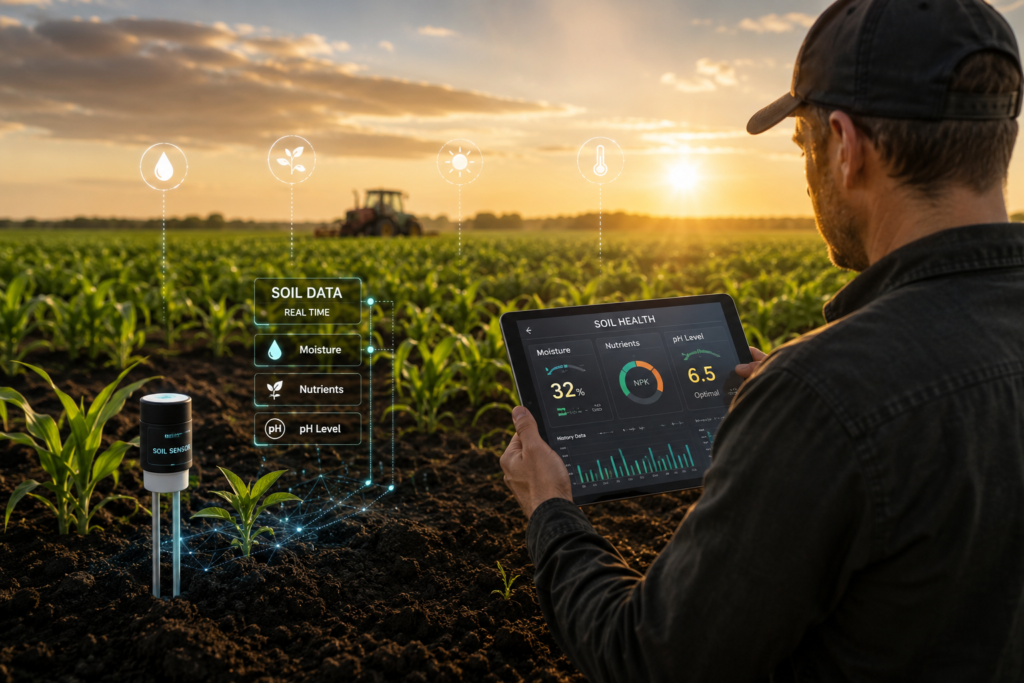
In this context, messeregge can be interpreted as a system that helps farmers:
- Monitor soil health
- Track moisture levels
- Analyze nutrient composition
- Improve crop selection
- Optimize irrigation schedules
It may represent a combination of digital agriculture tools and soil testing methods that support precision farming.
In modern terms, it aligns closely with the principles of precision agriculture, where data is used to make farming more efficient and sustainable.
Why Soil Management Tools Like Messeregge Matter
Soil is the foundation of agriculture. Without healthy soil, crop production becomes unstable, expensive, and unpredictable.
Tools like messeregge (conceptually) are important because they help farmers:
1. Improve Crop Yield
Healthy soil data allows farmers to choose the right crops and increase productivity.
2. Reduce Waste
Water, fertilizers, and pesticides can be used more efficiently.
3. Protect Soil Health
Over-farming and chemical misuse can be avoided through monitoring.
4. Support Sustainable Farming
Long-term soil fertility is maintained for future generations.
How Messeregge in Agriculture Works (Conceptual Model)
Even though messeregge is not a standardized device, we can explain its working model based on modern soil technology systems.
Step 1: Soil Data Collection
The system begins with collecting soil data using:
- Soil moisture sensors
- pH testing tools
- Nutrient analysis kits
- Temperature sensors
This step provides a complete picture of soil conditions.
Step 2: Data Processing and Analysis
After collecting data, the system analyzes it using software or agricultural algorithms.
It evaluates:
- Nitrogen, phosphorus, and potassium levels
- Water retention capacity
- Soil acidity or alkalinity
- Organic matter content
This analysis helps identify what the soil needs for optimal crop growth.
Step 3: Agricultural Recommendations
Based on analysis, the system generates farming suggestions such as:
- When to irrigate crops
- How much fertilizer to use
- Which crops are suitable for the soil
- How to improve soil quality
This is similar to modern smart farming advisory systems used in digital agriculture platforms.
Step 4: Farmer Implementation
Farmers apply the recommendations in real farming conditions.
This may include:
- Adjusting irrigation systems
- Adding fertilizers in precise amounts
- Changing crop rotation plans
- Improving drainage or soil treatment methods
Step 5: Continuous Monitoring
Soil conditions are not static. They change over time due to weather, farming practices, and crop cycles.
Therefore, messeregge-style systems continuously monitor and update recommendations for better accuracy.
Key Features Associated with Messeregge Systems
Even though the term is not officially defined, it is often linked with features found in modern agricultural tools:
1. Real-Time Soil Monitoring
Provides updated soil health data.
2. Smart Irrigation Control
Helps prevent overwatering or underwatering.
3. Crop Optimization Guidance
Suggests best crops based on soil conditions.
4. Digital Farming Integration
Works with mobile apps or farm management software.
5. Predictive Farming Insights
Uses data trends to predict future soil performance.
Benefits of Messeregge in Agriculture
If we treat messeregge as a modern soil management concept, its benefits are significant.
1. Higher Agricultural Productivity
Better soil understanding leads to improved crop yield.
2. Lower Farming Costs
Farmers use fewer unnecessary resources like water and fertilizer.
3. Efficient Resource Management
Every input is used more precisely.
4. Climate-Smart Farming
Helps adapt to changing weather conditions.
5. Better Decision-Making
Farmers rely on data instead of guesswork.
Limitations and Challenges
While the concept is useful, there are also challenges:
1. Lack of Clear Definition
Messeregge is not a standardized agricultural term.
2. Limited Awareness
Many farmers are unfamiliar with digital soil tools.
3. High Initial Cost
Advanced sensors and systems can be expensive.
4. Technical Knowledge Required
Farmers may need training to use smart systems effectively.
Messeregge vs Modern Precision Agriculture
The idea of messeregge closely aligns with precision agriculture, a modern farming approach that uses technology and data analytics.
Precision agriculture includes:
- GPS farming systems
- Soil sensors
- Drone monitoring
- AI-based crop management
In fact, messeregge can be considered a simplified or SEO-driven interpretation of precision farming systems.
Real-World Applications in Farming
If applied practically, messeregge-style systems can be used in:
- Wheat farming
- Rice cultivation
- Vegetable farming
- Orchard management
- Greenhouse farming
Farmers can adjust soil nutrients and water supply based on exact field conditions rather than assumptions.
Future of Soil Monitoring Systems
The future of agriculture is strongly connected with digital transformation.
Experts believe that systems similar to messeregge will evolve into:
- Fully automated farming platforms
- AI-powered soil prediction systems
- Drone-based soil mapping tools
- Smart irrigation networks
This evolution will make farming more efficient, sustainable, and profitable.
Is Messeregge a Real Agricultural Tool?
To be clear:
- There is no verified scientific tool officially named “messeregge”
- It is most likely a keyword variation or conceptual term
- It is used in content writing and SEO contexts to describe soil technology ideas
However, the concept behind it is very real and widely used in modern agriculture.
FAQs
What is messeregge in agriculture?
It is a term often used to describe a soil monitoring or farm management concept related to modern agricultural technology.
Is messeregge a real farming device?
No confirmed agricultural device exists with this exact name.
What does it relate to?
It is related to precision farming, soil analysis, and smart agriculture systems.
Why is soil monitoring important?
It helps improve crop yield, reduce costs, and maintain soil health.
Insights
Messeregge in agriculture is best understood as a modern conceptual term linked with soil monitoring and precision farming techniques. While it is not an officially recognized agricultural tool, it represents the growing shift toward data-driven farming.
As agriculture continues to evolve, tools and systems like this concept will play a major role in improving productivity, sustainability, and global food security.
In the future, farming will depend less on guesswork and more on smart soil intelligence systems, making concepts like messeregge increasingly relevant in digital agriculture discussions.