
Your Topics | Multiple Stories: How Topic-Based Content Clusters Work
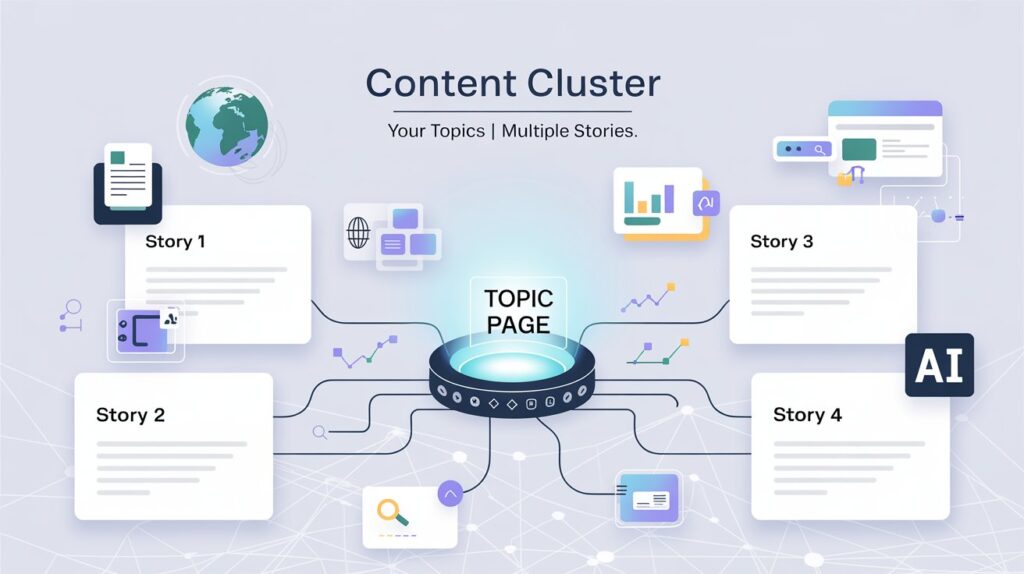
Your Topics | Multiple Stories is a content organization model where a single topic acts as a hub for multiple related articles. and more details….
Introduction
Modern websites no longer rely on single standalone articles to rank on search engines. Instead, they use structured content systems that group related articles under one main theme. One of the most effective models for this is known as “Your Topics | Multiple Stories.”
This approach organizes content into topic-based clusters where one central theme (topic) connects multiple related stories. It improves both user experience and SEO performance by creating clear structure, depth, and internal linking across a website.
What Is “Your Topics | Multiple Stories”?
“Your Topics | Multiple Stories” is a content organization model where a single topic acts as a hub for multiple related articles.
Instead of publishing random posts, content is grouped under a shared subject such as:
- Technology
- Health
- Sports
- Finance
- Travel
Each topic contains several supporting stories that explore different angles of the same subject.
For example, under “Technology,” you might find multiple articles covering AI tools, software reviews, and tech trends.
How Topic-Based Content Clusters Work
1. Topic (Pillar Page)
The process starts with a main topic page, also called a pillar page.
This page provides a broad overview of the subject and acts as the central hub.
Example:
Technology Overview Page
2. Supporting Stories (Cluster Content)
Under the main topic, multiple detailed articles are created. These are called cluster content or supporting stories.
Example:
- Best AI Tools in 2026
- How Machine Learning Works
- Future of Robotics
Each story focuses on a specific subtopic.
3. Internal Linking Structure
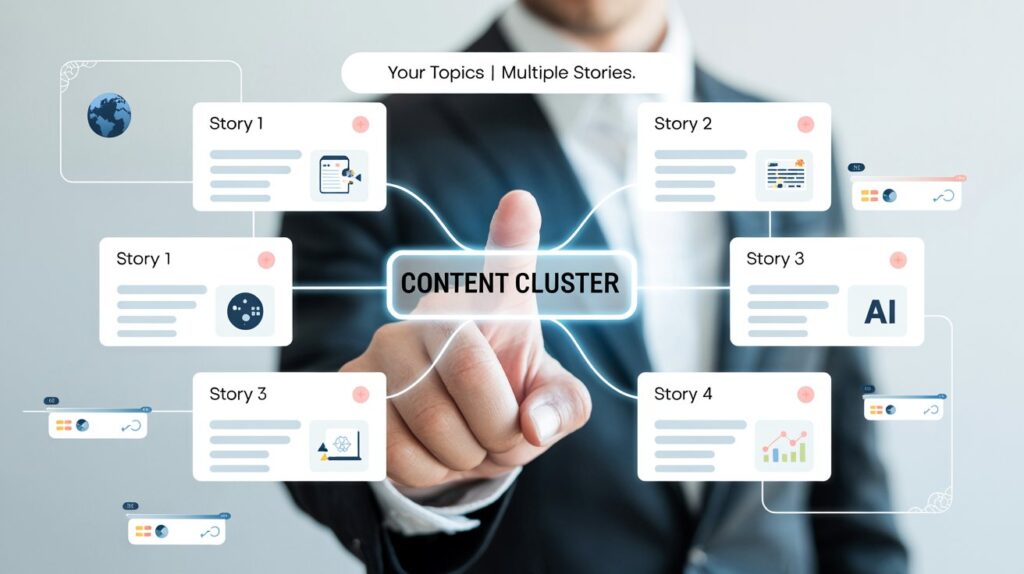
All related articles are connected through internal links.
- The pillar page links to all stories
- Each story links back to the pillar page
- Stories may also link to each other when relevant
This creates a strong internal web of content.
4. Search Engine Understanding
Search engines like Google analyze this structure to understand:
- The main topic authority of the website
- The relevance between articles
- The depth of knowledge on a subject
This improves ranking potential for multiple pages.
Benefits of Using Multiple Stories per Topic
1. Strong SEO Performance
Topic clusters help build topical authority, which increases the chances of ranking higher in search results.
2. Better User Engagement
Visitors can easily explore related content instead of leaving the site after one article.
3. Improved Website Structure
Content becomes organized, making navigation simple and intuitive.
4. Higher Content Visibility
Multiple articles can rank for different keywords under the same topic.
5. Long-Term Traffic Growth
Well-structured clusters continue to attract organic traffic over time.
Example of a Topic Cluster Structure
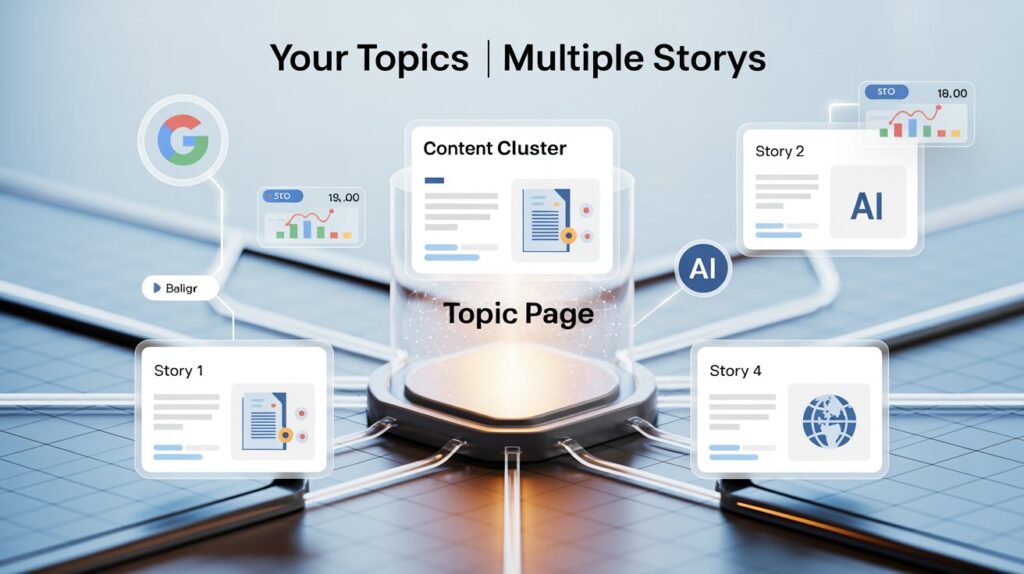
Topic: Health
- Pillar Page: Complete Guide to Healthy Living
- Story 1: Benefits of Daily Exercise
- Story 2: Best Diet Plans for Weight Loss
- Story 3: Mental Health and Stress Management
- Story 4: Importance of Sleep for Wellness
Each article supports the main topic while targeting specific search queries.
Why Websites Use This Model
Many modern websites use “Your Topics | Multiple Stories” because it:
- Aligns with Google’s content quality standards
- Builds authority in specific niches
- Increases page indexation
- Improves internal SEO signals
- Helps scale content production efficiently
Best Practices for Implementation
- Choose clear and focused topics
- Avoid overlapping or duplicate content
- Use strong internal linking between pages
- Keep each story focused on one subtopic
- Update pillar pages regularly for freshness
Insights
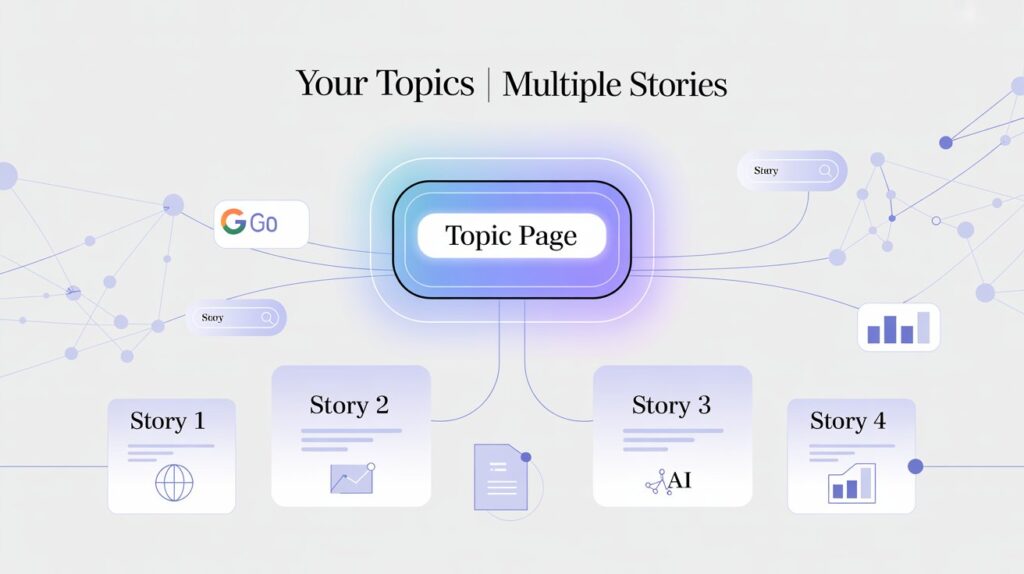
The “Your Topics | Multiple Stories” model is a powerful way to structure content for both SEO and readability. By organizing articles into topic-based clusters, websites can build authority, improve rankings, and provide a smoother browsing experience for users.
In today’s SEO landscape, success is no longer about individual articles—it’s about how well your content is connected under meaningful topics.